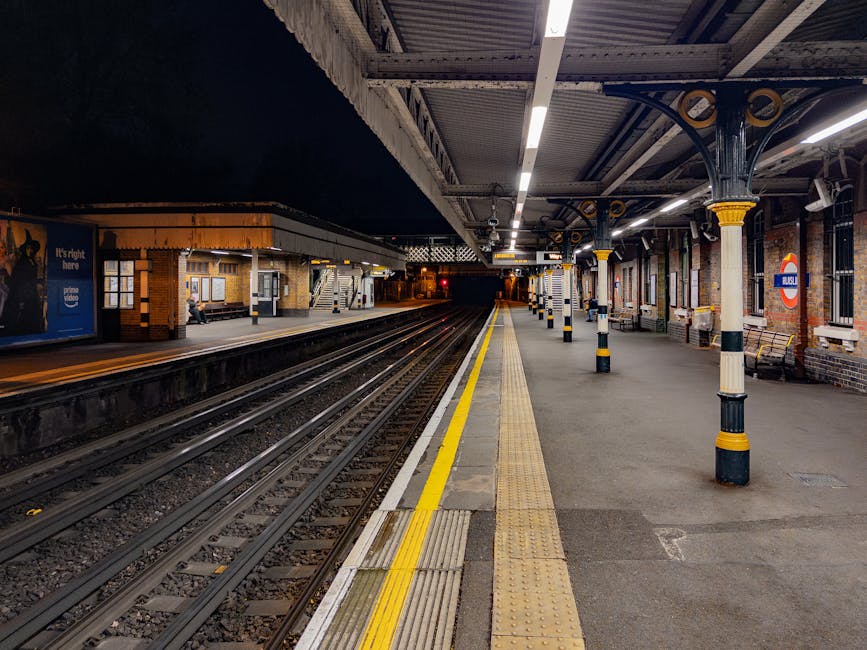
Abbey Wood station move guide: parking & street tips
Moving near Abbey Wood station can be straightforward if you plan for the two things that usually cause the most stress: where the van can stop, and how you handle the street outside the property. A good Abbey Wood station move guide: parking & street tips is not just about getting a vehicle close to the door. It is about timing, access, neighbours, walking distances, and the small details that make moving day feel controlled instead of chaotic.
If you are relocating a flat, a family home, or even a single heavy item, the area around a station comes with its own rhythm. People are walking, traffic can be tighter at certain times, and stopping in the wrong place can create delays you do not need. This guide brings together practical parking advice, street-level planning, and the moving-day choices that matter most. It also points you to useful supporting services such as local man and van support in Abbey Wood, packing and boxes for a smoother move, and house removals in Abbey Wood where a larger move needs more than a quick lift-and-load.
There is no magic trick here. Good moving logistics usually come down to calm preparation, sensible communication, and a realistic view of the street outside your front door.
Table of Contents
- Why Abbey Wood station move guide: parking & street tips Matters
- How Abbey Wood station move guide: parking & street tips Works
- Key Benefits and Practical Advantages
- Who This Is For and When It Makes Sense
- Step-by-Step Guidance
- Expert Tips for Better Results
- Common Mistakes to Avoid
- Tools, Resources and Recommendations
- Law, Compliance, Standards, or Best Practice
- Options, Methods, or Comparison Table
- Case Study or Real-World Example
- Practical Checklist
- Conclusion
- Frequently Asked Questions
Why Abbey Wood station move guide: parking & street tips Matters
Station-area moves are different from a standard suburban move. Around Abbey Wood station, you are more likely to deal with narrower stopping options, passing pedestrians, busy travel times, and the practical reality that a removals vehicle may not be able to sit directly outside the property for long. That affects everything: how many trips your team needs to make, how quickly items can be loaded, and whether fragile furniture is safe while being carried over a longer distance.
Parking and street planning matter because moving is already time-sensitive. The longer the van is held up, the more chance there is of rushed lifting, forgotten items, or awkward pressure from other road users. If you have ever watched a sofa hover half-way through a doorway while someone shouts about a parked car behind the van, you will know why this section exists.
For local moves, the best outcome usually comes from matching the service to the access conditions. A compact job may suit a man with a van in Abbey Wood. A larger or more complex move may be better handled by full removal services in Abbey Wood. The point is not to overcomplicate it. The point is to choose a setup that suits the street, not fight against it.
How Abbey Wood station move guide: parking & street tips Works
The basic process is simple: assess the property, understand the road layout, decide where the vehicle can stop safely, and reduce the distance between the front door and the loading point as much as reasonably possible. In real life, that means checking curb space, looking for permit or restriction signs, thinking about foot traffic, and planning how you will move boxes, furniture, or appliances without blocking the road longer than necessary.
For a station-adjacent property, timing is often as important as location. Early mornings can be calmer for loading, while later times may bring more pedestrians and a constant flow of short-stay vehicles. If there is a school, shop, or busy route nearby, the street can feel very different at 8 a.m. compared with midday. That is why it helps to think of the move as a small traffic exercise, not just a lifting job.
Good planning also takes account of the type of items being moved. A house full of mixed household goods behaves differently from a single specialist item like a piano or a freezer. If your move includes something awkward or high-value, it is worth reading advice on specialist piano moving and safe freezer storage guidance so the street plan does not clash with the item plan.
Key Benefits and Practical Advantages
A well-planned street and parking approach gives you more than convenience. It creates breathing room. Here are the main advantages:
- Less carrying distance: shorter trips from the property to the van mean less fatigue and lower damage risk.
- Faster loading: a closer vehicle position makes the whole move more efficient.
- Better item protection: furniture and boxes are handled fewer times and are exposed to weather for less time.
- Lower stress: you are not improvising at the kerb while everyone waits.
- Improved neighbour relations: a tidy, courteous plan is easier for everyone living on the street.
There is also a less obvious benefit: better decision-making. Once you know where the vehicle can stand and how long it can remain there, you can estimate the move more accurately. That improves scheduling and makes quotes more meaningful. If you are comparing providers, it helps to understand pricing and quotes before you lock anything in.
For people moving from flats or multi-storey buildings, the value is even greater. A few extra metres of walking can dramatically change how long the move takes. That is why flat removals in Abbey Wood often benefit from careful access planning before moving day, not after.
Who This Is For and When It Makes Sense
This guide is useful if you are moving from anywhere near Abbey Wood station where parking may be limited, time windows are tight, or access is shared with other road users. It is especially relevant if you are:
- moving from a flat or maisonette close to the station
- loading large furniture from a terraced street or side road
- moving on a weekday when traffic is busier
- arranging a same-day or short-notice removal
- dealing with heavy items, stairs, or awkward entry points
- trying to avoid delay charges caused by poor access planning
It also makes sense if you are a student, first-time renter, or someone moving only a modest amount of furniture and boxes. In those situations, a small planning mistake can feel much larger than it really is. For example, a short walk from the property to the vehicle might not sound dramatic until you are carrying a wardrobe box in light rain and trying not to bump it into a fence post.
If your move includes several bulky items, you may want to look at furniture removals in Abbey Wood or a suitable removal van option so the transport choice matches the load.
Step-by-Step Guidance
1. Walk the route before moving day
Start by looking at the street from the perspective of the van, not just from your front door. Where would a vehicle reasonably stop? Is there room to open doors without blocking a driveway, crossing a corner, or creating a hazard? Are there bollards, double yellows, timed restrictions, or loading limitations nearby? A five-minute walk can prevent a five-hour headache.
2. Measure the access, not just the rooms
Many people measure furniture and forget to measure the part that matters most: the practical route from property to vehicle. Count steps, note narrow gates, check turning space, and think about where someone can safely pause with a box or mattress. This is especially useful for large items and awkward corners.
3. Decide whether you need a bigger or smaller vehicle
Some street layouts favour a compact van that can fit closer to the property. Others work better with a larger vehicle that can hold everything in one trip, even if the walking distance is slightly longer. The best choice depends on the load, the timing, and the street. If you are unsure, a local team can help you choose between a man and van service and a more comprehensive house removals service.
4. Pre-pack with loading order in mind
Put essential, fragile, and heavy items in a clear order so they can be loaded without guesswork. Keep a separate "first off, last on" group for essentials such as documents, chargers, snacks, and cleaning items. A sensible packing system reduces the number of times the team has to stop and rearrange the van. If you want a fuller method, the packing methods guide is a practical companion piece.
5. Reserve or protect the closest sensible stopping point
Depending on the street and the local rules, you may need to use an agreed parking space, a brief loading area, or a roadside position that keeps everyone safe. If you have neighbours who are likely to need access, give them advance notice. A polite note or quick conversation often saves friction later.
6. Keep the route clear on the day
Move bins, loose bikes, garden items, and anything else that could slow the team down. If your front path is cluttered, loading takes longer and the risk of a slip or knock increases. This is where decluttering pays off. A lighter load is easier to manage, and this decluttering guide can help you decide what stays and what goes.
7. Load the vehicle in a sensible sequence
Heavy items should usually go in first, with fragile and frequently needed items placed where they can be reached safely. The team should not have to reshuffle a van repeatedly because a box of kitchen crockery got buried under a mattress. That kind of thing feels like a minor issue until you arrive at the new place and cannot find the kettle.
Expert Tips for Better Results
Use timing as a tool. In busy streets, a slightly earlier start can make the biggest difference of the day. The street is often calmer, parking is easier, and there is less pressure from passing traffic.
Think in loading zones. Even without formal markings, you can mentally divide the area into "arrival," "carrying," and "vehicle storage" zones. That makes it easier to avoid bottlenecks.
Protect the first and last metres. Most bumps and scrapes happen at thresholds, kerbs, and tight turns. Use blankets, straps, and corner protection where needed, and keep doors open only as long as necessary.
Stay realistic about heavy lifting. A staircase in a station-area property can change the whole plan. If a sofa, washing machine, or piano is involved, do not assume two people and good intentions will be enough. It is usually smarter to match the item to the right method, such as safe heavy-lifting guidance or specialist handling.
Keep the phone line open. If the van is approaching while you are still dealing with keys, lift access, or a neighbour's parked car, a short call can save time. Small updates make moving day feel coordinated instead of reactive.
Be kind to the street. That may sound obvious, but it matters. Do not block driveways, leave packing debris in the road, or assume everyone else should simply work around your schedule. Good manners are practical. They keep things moving.
Common Mistakes to Avoid
- Assuming the van can stop directly outside: this is one of the most common planning errors and often the source of delay.
- Ignoring peak street activity: school runs, commuter flow, and local deliveries can change access dramatically.
- Forgetting to check signposted restrictions: loading rules can vary, and getting them wrong creates unnecessary risk.
- Underestimating carry distance: twenty extra metres can feel minor on paper and exhausting in real life.
- Failing to brief helpers: everyone should know where to stand, what to carry, and what not to block.
- Packing without a plan: unlabelled boxes and random load order slow everything down.
One frequent issue is trying to solve access problems on the fly. That tends to create more stress than the original problem. A better approach is to decide in advance what the fallback looks like if the closest stopping point is unavailable. Truth be told, having a backup plan is often what separates a smooth move from a messy one.
Tools, Resources and Recommendations
For a street-aware move near Abbey Wood station, a few basic tools make a noticeable difference:
- Furniture blankets and straps: useful for protecting edges during a longer carry.
- Heavy-duty boxes and tape: essential for keeping loads stable.
- Dolly or sack truck: helpful for boxes, appliances, and heavier household goods.
- Labels and marker pens: keep rooms and priority items easy to identify.
- Phone maps and notes: save access details, postcodes, and arrival instructions in one place.
- Cleaning kit: useful for final checks and post-move tidying. If you want a structured approach, see the house-cleaning checklist before moving.
It also helps to use local support pages strategically. For example, if you are still deciding whether to move everything at once or split the move into stages, storage options in Abbey Wood can be useful. If you are moving from a smaller property and need a simple setup, flat removals and student removals pages can help you understand the most suitable service shape.
For larger household moves, you may also want to compare your plan against a broader overview such as the services overview and then speak with the team via the contact page if you need tailored guidance.
Law, Compliance, Standards, or Best Practice
Parking and loading in a station area should always be handled with care and with respect for the local highway environment. The exact restrictions can vary by street, and you should check local signs and any relevant council or highway guidance before assuming you can stop, load, or wait anywhere you like. If you are arranging a move in a residential area, it is sensible to avoid blocking access, obscuring sight lines, or placing people in unsafe positions near traffic.
From a best-practice standpoint, the key principles are straightforward:
- park only where it is lawful and safe to do so
- do not block driveways, crossings, or emergency access
- keep walkways as clear as possible for pedestrians
- use safe manual handling techniques for lifting and carrying
- make sure your removal provider has clear instructions before arrival
If your move involves substantial lifting, it is worth checking the provider's health and safety policy and insurance and safety information. These pages help set expectations and are especially helpful if you are moving valuable furniture or have access constraints that could increase risk.
For people who need reassurance on fairness, admin, or booking confidence, the supporting pages around terms and conditions and payment and security can also be useful. They do not solve parking problems, of course, but they do make the overall move feel more organised.
Options, Methods, or Comparison Table
Different moving setups suit different street conditions. The table below gives a practical comparison.
| Approach | Best for | Strengths | Trade-offs |
|---|---|---|---|
| Small van / man and van | Studios, flats, lighter loads, short local moves | Easier to position near tighter streets; flexible for quick access | May need multiple trips if the load is larger than expected |
| Full removal van | Family homes, larger furniture, mixed loads | Better for one-trip efficiency and bulkier items | May be harder to park in tighter station-area streets |
| Split move with storage | Moves with timing gaps, decluttering, staged handovers | Reduces pressure on moving day; useful when access is limited | Requires extra planning and a second handling stage |
| Same-day removals | Urgent moves and short-notice changes | Fast response when time is tight | Less room for parking surprises or delayed access |
If your situation is unusually time-sensitive, the same-day removals service in Abbey Wood is worth a look. If you are moving a specific specialist item, the right comparison may be between standard handling and a dedicated service such as piano removals in Abbey Wood.
Case Study or Real-World Example
Consider a typical local move: a two-bedroom flat a short walk from Abbey Wood station, with a narrow street, limited curb space, and a couple of bulky items including a bed frame, sofa, and dining table. The resident initially assumed the vehicle could stop directly outside. On inspection, that turned out to be optimistic. There was room nearby, but not in the exact spot they hoped for.
Instead of treating this as a problem, the move was adjusted. Boxes were labelled by room, the biggest items were separated for early loading, and the carry route was cleared the day before. The team placed the van where it could be loaded safely without blocking access, and the resident kept the essentials bag with documents, phone chargers, and kettle supplies in one place. The whole job became smoother simply because the street plan was realistic.
This is the pattern you see again and again. A little less guessing, a little more preparation, and the day gets easier. That is also why local advice matters. Someone familiar with Abbey Wood can help you judge whether you need a compact setup, a larger van, or a more structured moving service. For added context on how a local team works, read about the company's background before you book.
Practical Checklist
Use this checklist in the final 48 hours before the move:
- confirm the moving date, time, and access instructions
- check nearby parking signs and any time restrictions
- clear the front path, hallway, and entrance area
- measure large items against doorways and the carry route
- label boxes by room and priority
- separate valuables, documents, and daily essentials
- notify neighbours if the van may need to stop nearby
- prepare blankets, tape, and straps for fragile items
- plan where the vehicle will wait if the first spot is unavailable
- confirm the route from the property to the van for safe carrying
- keep phone numbers and key contacts easy to access
- leave enough time for unexpected delays, because they do happen
If you are using extra space or staging items in advance, it may also help to review sofa storage guidance or broader moving support like house relocation advice.
Conclusion
Parking and street planning are not glamorous parts of moving, but they are often the difference between a neat, controlled job and a stressful scramble. Around Abbey Wood station, the smartest approach is to treat the road, the loading point, and the walking route as part of the move itself. Once you do that, the rest becomes much easier to organise.
Keep the plan simple: check the access, choose the right vehicle, reduce the carry distance where you can, and brief everyone clearly. That approach works whether you are moving a small flat, a family home, or a specialist item that needs extra care. And if you want local help that fits the street conditions instead of fighting them, use the resources linked throughout this guide to shape the right setup.
Get a free quote today and see how much you can save.
Frequently Asked Questions
Can a removals van stop right outside my property near Abbey Wood station?
Sometimes yes, but you should never assume it. Nearby parking, street width, traffic flow, and local restrictions can all affect whether a van can stop directly outside. It is better to plan for a nearby loading position and treat anything closer as a bonus.
What is the best time of day to move near the station?
Earlier is usually calmer, especially if the road sees commuter traffic or regular passing vehicles. The best time depends on your exact street, but avoiding the busiest periods can make parking and loading noticeably easier.
How far is too far for carrying furniture to the van?
There is no exact number, but if the carry route becomes awkward, steep, or exposed to traffic, it is worth reconsidering the vehicle position or the size of the team. Even a modest extra distance can slow the move and increase strain.
Do I need to reserve parking for a home move?
That depends on the road and the local rules. In some cases, a clear loading plan is enough. In others, you may need to think ahead about restrictions or limited curb space. Checking in advance is always wiser than improvising on the day.
What if my street has limited space and a large van cannot fit?
You may need a smaller vehicle, a split load, or a different stopping point. This is one reason local removal services are useful: they can adapt the vehicle and plan to the access, rather than forcing a one-size-fits-all approach.
Are same-day removals a good idea for station-area moves?
They can be, especially if the load is manageable and the access is straightforward. The trade-off is that there is less time for detailed parking planning, so clear instructions and realistic expectations become even more important.
How should I prepare if the move includes a sofa or bed?
Disassemble where appropriate, protect corners, label fixings, and make sure the carry route is clear. For specialist guidance, see the site's advice on sofa handling and bed or mattress relocation before moving day.
What if I need storage between leaving and arriving?
Storage can be a practical middle step when timing does not line up perfectly. It is often useful for staged moves, decluttering, or short gaps between tenancies. The key is to plan which items should go into storage and which must stay accessible.
How can I reduce the number of trips to the van?
Use good packing methods, group similar items together, and load in a logical order. Strong boxes, clear labels, and a sensible sequence all help. The fewer times people have to walk back and forth, the smoother the move will feel.
What should I ask a removal company before booking?
Ask about vehicle size, access planning, timing, insurance, and how they handle difficult parking or narrow streets. It is also sensible to check how quotes are built, so you understand what is included and what might change if the access is trickier than expected.
Is it worth using a local Abbey Wood removals provider for this type of move?
Yes, often it is. Local teams are usually better placed to judge practical access, street patterns, and common parking pinch points. That local familiarity can save time and reduce stress, especially around busy station areas.
What is the single most important thing to get right?
Be realistic about access. If you get the vehicle position, carry route, and loading order right, most of the other moving-day problems become much easier to manage. It is a simple idea, but it pays off.